
Beyond the Ballot: Unpacking the Science Behind Women's Football Superstars
Explore the sports science behind the world's top female footballers. Learn what drives their elite performance, from physiology to psychology. Insights for SA

As the global football community casts its votes for the BBC Women's Footballer of the Year 2026, the shortlist offers more than just a popularity contest. For athletes, coaches, physios, and serious amateurs in South Africa, it presents a compelling case study in elite performance. These nominations – featuring titans like Temwa Chawinga, Ewa Pajor, Alexia Putellas, Alessia Russo, and Khadija 'Bunny' Shaw – are not merely a celebration of talent, but a testament to the meticulous application of sports science principles that elevate them to the pinnacle of their game.
The Anatomy of a Goal Machine
Take Temwa Chawinga, for instance. Her unprecedented back-to-back NWSL MVP titles and Golden Boots speak volumes about sustained peak output. From a sports science perspective, this points to exceptional anaerobic capacity, refined neuromuscular control for precision finishing, and a robust physical conditioning programme that minimises injury risk across demanding seasons. Her ability to consistently deliver critical goals, both at club level with Kansas City Current and internationally with Malawi, highlights not just innate talent, but a meticulously managed training regimen focused on power, speed, and endurance, coupled with advanced recovery protocols.
Similarly, Ewa Pajor's transition to Barcelona and immediate impact, including leading the Champions League scoring charts and securing multiple trophies, underscores the importance of tactical intelligence and adaptability. Her clinical finishing and big-game temperament are rooted in superior reaction time, spatial awareness, and the psychological resilience to perform under immense pressure – all facets enhanced through targeted training drills and mental conditioning.
Sustaining Peak Performance: A Year-Round Endeavor
The careers of these elite athletes are a masterclass in longevity and consistent performance. Achieving multiple league titles, Champions League glory, and leading goal-scorer awards across consecutive seasons demands more than just skill. It requires sophisticated periodisation of training, personalised nutrition plans to fuel recovery and performance, and proactive injury prevention strategies designed by top-tier sports medical teams. The ability of players like Alexia Putellas to return from serious injury and maintain her world-class standard, or the consistent impact of Khadija 'Bunny' Shaw and Alessia Russo, are powerful examples of what a holistic, science-backed approach to athletic development can achieve.
These athletes are not just football players; they are finely tuned biological machines, optimised through data-driven training, advanced biomechanical analysis, and psychological preparation that ensures they are mentally as sharp as they are physically.
The South Africa Angle: Elevating Our Game
For South African athletes, coaches, and physios, understanding the science behind these global benchmarks is invaluable. Temwa Chawinga's journey from Malawi to NWSL MVP is a powerful narrative of talent development and the importance of consistent high-performance environments, mirroring the aspirations for Banyana Banyana and our local talent pools. What are the physiological demands of a top-tier striker? How do these athletes manage chronic fatigue? What psychological tools do they employ to maintain focus and resilience?
By dissecting the success of these global stars, we can gain actionable insights to inform our own athlete development programs, from grassroots to professional levels. Applying scientific principles to training loads, recovery strategies, nutritional support, and mental fortitude can directly contribute to elevating the standard of football in South Africa, nurturing future generations of world-class talent, and ensuring our athletes are not just competitive, but truly excel on the international stage.
Source: BBC Sport

Unleash Your Pedalling Power: Strategic Strength for the South African Cyclist
Elevate your cycling performance with science-backed strength training. Learn how targeted leg work enhances power, endurance, and prevents injury for South…

Beyond the Burn: The Smart Strength Strategy for SA Endurance
Discover how sub-maximal strength training can revolutionise performance for South African endurance athletes. Avoid fatigue, boost power, and dominate events…

From Academia to Action: The Rise of Tactical Performance Science
Discover how exercise science is revolutionising tactical strength training for military, first responders, and athletes in South Africa, enhancing resilience…

FIFPRO World 11: Unpacking the Science of Sustained Excellence
Unpack the science behind elite football performance from the FIFPRO Women's World 11. Insights for SA athletes, coaches, and physios on consistency…

Alisson's Anfield Ambition: A Masterclass in Sustained Elite Performance
Explore Liverpool's Alisson Becker's mindset for sustained elite performance. Learn how intrinsic motivation and consistency drive top athletes, with South…
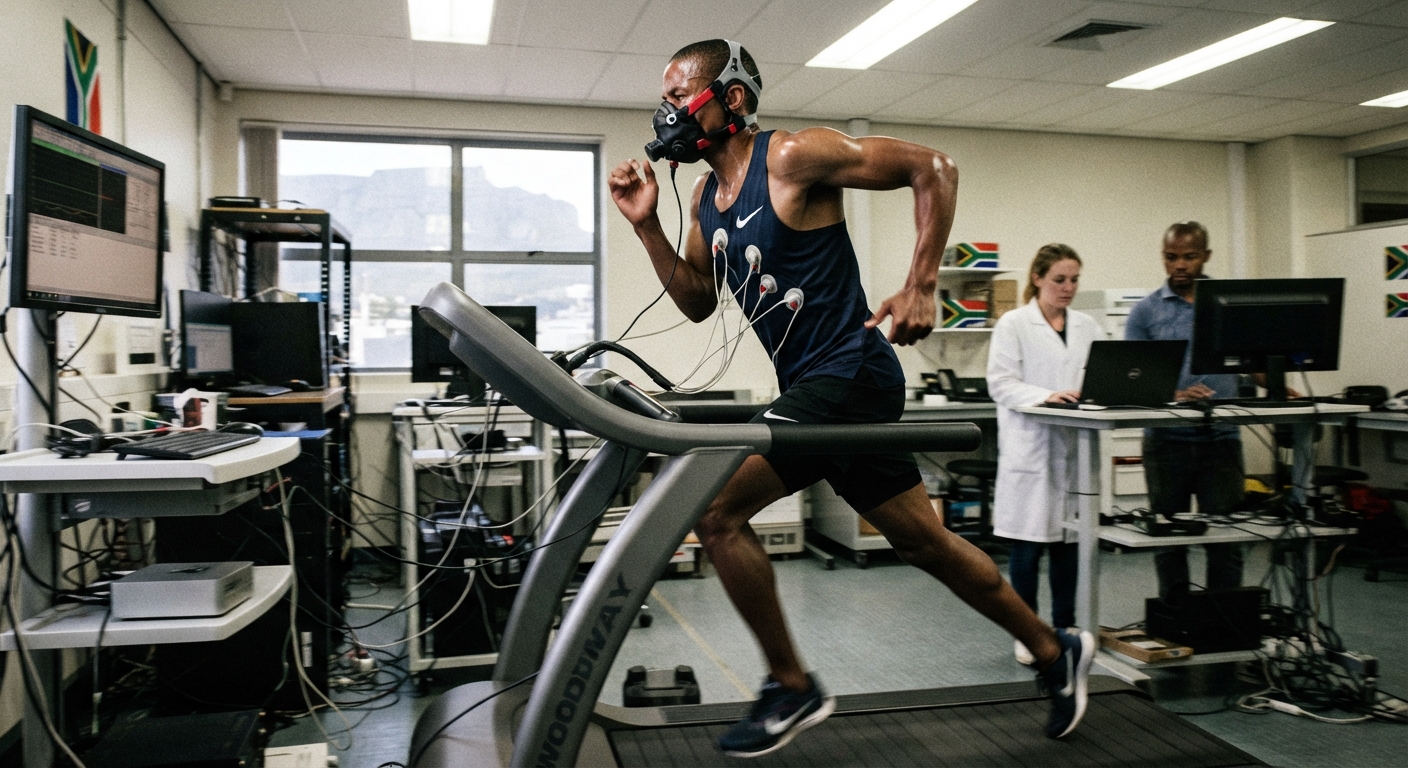
Forge Your Edge: Hypoxic Sprint Training Unlocks Next-Level Endurance
Discover how repeated-sprint training in hypoxia can elevate sprint endurance and performance. A game-changer for SA athletes, coaches & physios.
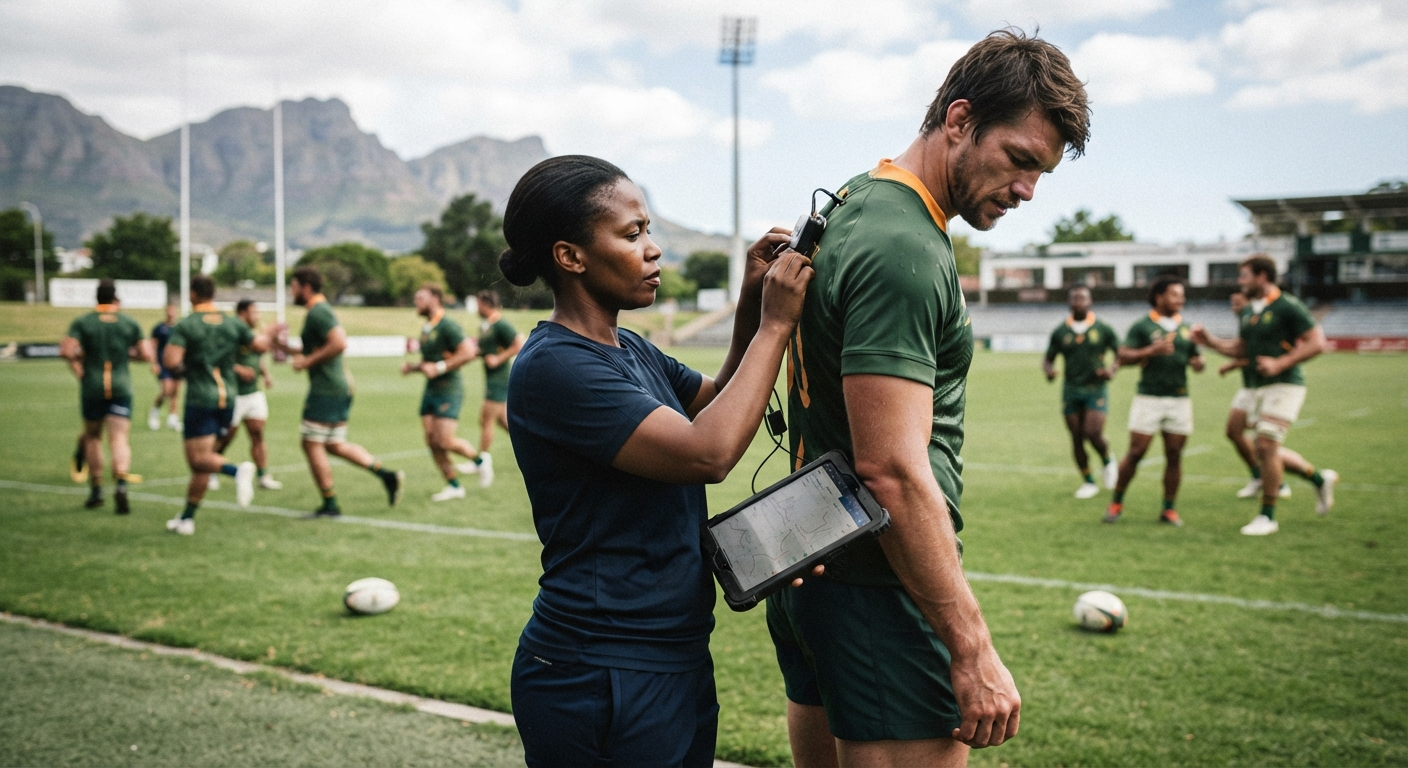
Igniting the Gees: The Science Behind Rugby's Visible Team Energy
Explore the science of visible team energy and its impact on performance in rugby. Learn how coaches cultivate cohesion and intent, and why it matters for…