
Beyond the Burn: The Smart Strength Strategy for SA Endurance
Discover how sub-maximal strength training can revolutionise performance for South African endurance athletes. Avoid fatigue, boost power, and dominate events…

For years, the pursuit of strength has often been synonymous with pushing to absolute muscle failure – that gut-wrenching final rep where your muscles simply give out. While this approach has its place in bodybuilding or pure powerlifting, emerging sports science suggests that for endurance athletes in South Africa, a more strategic, sub-maximal path might be the key to unlocking superior performance without compromising vital recovery.
At "Sports Science SA," we understand that our athletes, from the Comrades contender to the Cape Epic warrior, need strength that enhances, not depletes, their capacity for sustained effort. The shift away from training to failure, particularly for disciplines like cycling, running, and triathlon, offers a potent advantage.
The Science Behind Sub-Maximal Training
The core principle is simple: stop your strength sets a few reps short of muscular failure. This means leaving 'reps in reserve' (RIR) – typically 2 to 4 – or gauging your effort using the Rate of Perceived Exertion (RPE) scale, aiming for a 7 or 8 out of 10. The benefits are multi-faceted and rooted in optimising neuromuscular efficiency and recovery.
Pushing to failure induces significant neural fatigue and muscle damage. While muscle damage is necessary for hypertrophy, excessive damage in endurance athletes can impair recovery for subsequent high-volume or high-intensity endurance sessions. By stopping short, you still stimulate strength adaptations – improving force production and muscle fibre recruitment – but with far less systemic cost.
This approach preserves your central nervous system, allowing for higher quality, consistent training across both strength and endurance domains. It also reduces the risk of overtraining and injury, ensuring you maintain optimal technique throughout your sets, rather than compromising form on those gruelling final reps.
Practical Application for SA Athletes
Implementing sub-maximal training is straightforward. Focus on compound movements – squats, deadlifts, lunges, overhead presses – that translate well to athletic performance. Prioritise perfect form over heavy loads, and aim for sets where you consciously feel you could perform 2-4 more repetitions before failure.
Coaches can integrate this by periodising training, perhaps allowing for some heavier, lower-RIR work further out from competition, transitioning to lighter, higher-RIR sets as race day approaches. The goal is to build robust, resilient muscles that support your primary endurance activity, enhance your power output for climbs or sprints, and improve your overall movement economy, without leaving you too fatigued to hit your next long run or ride.
The South Africa Angle
For South African athletes, this scientific insight is particularly pertinent. Our landscape demands incredible endurance and resilience – think of the unforgiving ascents of the Cape Epic, the mental fortitude of the Comrades Marathon, or the brutal conditions of the Dusi Canoe Marathon. Athletes training for these iconic events cannot afford unnecessary fatigue from the gym.
By adopting a sub-maximal strength strategy, our athletes can:
- Optimise Recovery: Crucial when balancing high-volume endurance training with strength work.
- Enhance Performance: Build explosive power for surges and maintain consistent output over long distances.
- Minimise Injury Risk: Improved movement patterns and less fatigue reduce susceptibility to overuse injuries, keeping athletes in the game longer.
- Maximise Training Efficiency: Get more out of every gym session by focusing on quality over quantity to failure, a valuable commodity for time-crunched amateurs and professionals alike.
Embracing this smart strength approach means you're not just training harder; you're training smarter, building a foundation of strength that truly supports your endurance goals and helps you conquer the unique challenges of the South African sporting arena.
Source: Google News: endurance training science

From Academia to Action: The Rise of Tactical Performance Science
Discover how exercise science is revolutionising tactical strength training for military, first responders, and athletes in South Africa, enhancing resilience…

FIFPRO World 11: Unpacking the Science of Sustained Excellence
Unpack the science behind elite football performance from the FIFPRO Women's World 11. Insights for SA athletes, coaches, and physios on consistency…

Alisson's Anfield Ambition: A Masterclass in Sustained Elite Performance
Explore Liverpool's Alisson Becker's mindset for sustained elite performance. Learn how intrinsic motivation and consistency drive top athletes, with South…
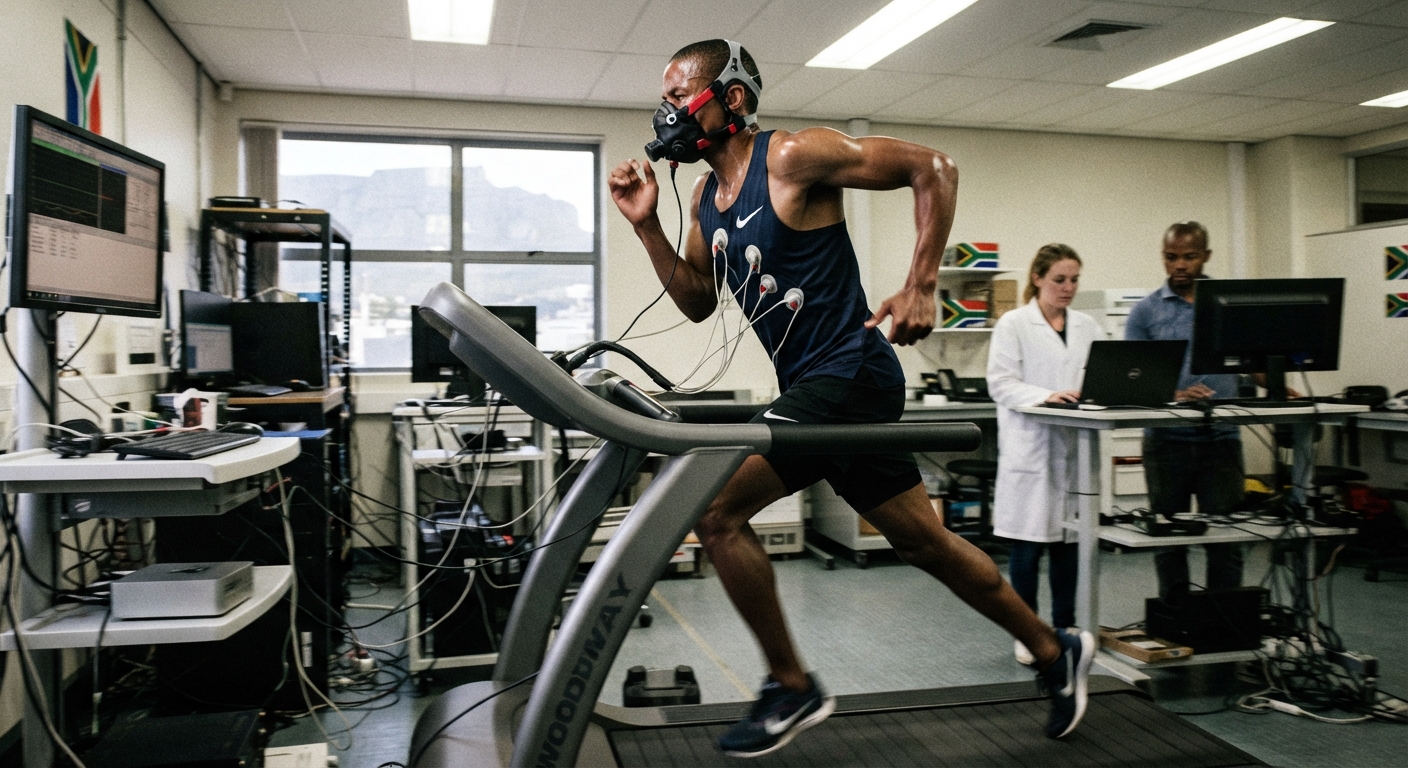
Forge Your Edge: Hypoxic Sprint Training Unlocks Next-Level Endurance
Discover how repeated-sprint training in hypoxia can elevate sprint endurance and performance. A game-changer for SA athletes, coaches & physios.
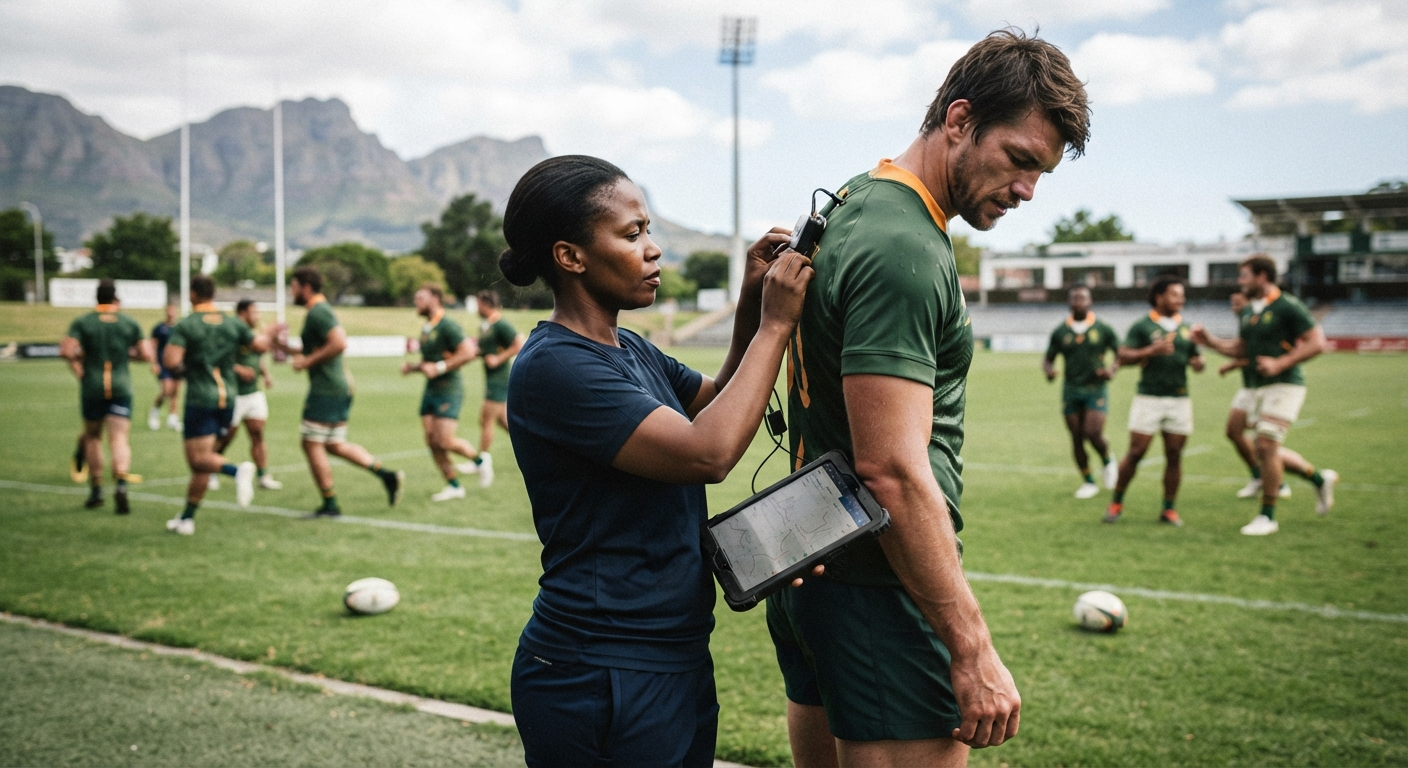
Igniting the Gees: The Science Behind Rugby's Visible Team Energy
Explore the science of visible team energy and its impact on performance in rugby. Learn how coaches cultivate cohesion and intent, and why it matters for…
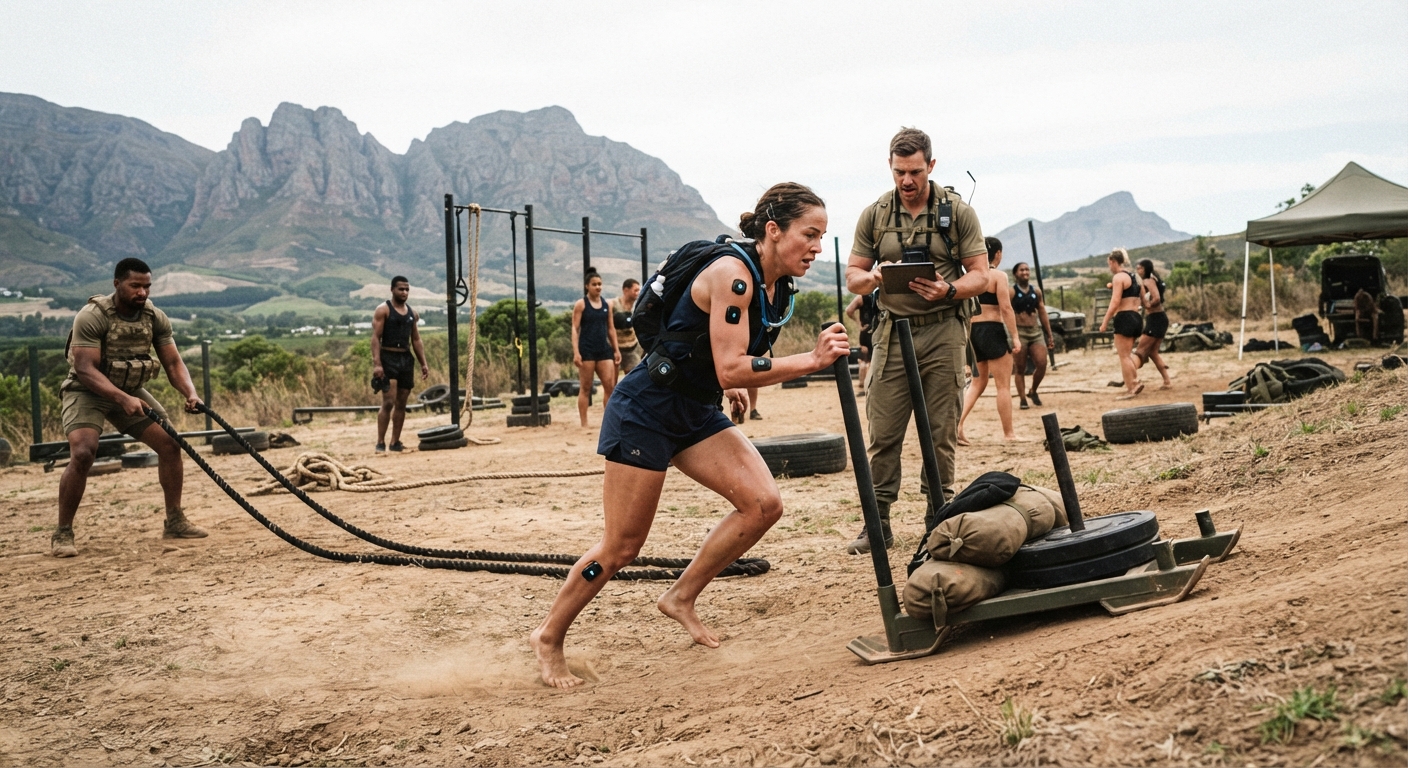
Rapid Readiness: Unlocking Elite Performance with Military-Inspired Conditioning
Explore the science behind military-grade fitness to supercharge strength and endurance in just 21 days. Insights for SA athletes, coaches, and physios.
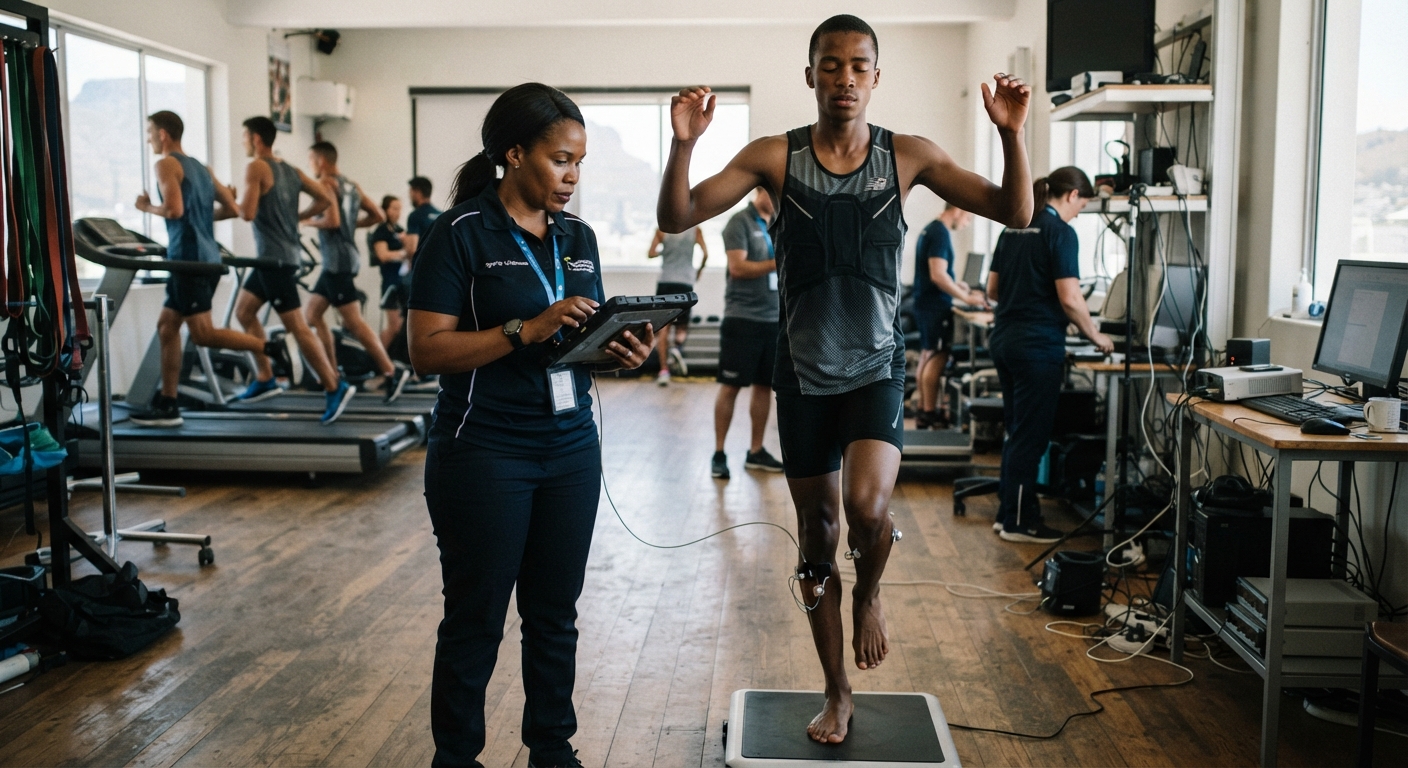
Core Truths: The Unsung Heroes of Elite Balance Aren't What You Think
New research reveals core endurance and trunk strength, not rotational power, are key to elite balance. Optimise your training for peak performance and injury…