
Alisson's Anfield Ambition: A Masterclass in Sustained Elite Performance
Explore Liverpool's Alisson Becker's mindset for sustained elite performance. Learn how intrinsic motivation and consistency drive top athletes, with South…

In the cutthroat world of professional football, where careers can be fleeting and loyalty often a luxury, Liverpool's esteemed goalkeeper Alisson Becker offers a compelling case study in the pursuit and maintenance of elite performance. His recent public declaration of a strong desire to extend his tenure at Anfield transcends mere contract negotiation; it’s a powerful insight into the mindset required to operate at the pinnacle of sport.
The Psychology of Longevity and Peak Performance
At 34, an age when many players consider their twilight years, Alisson's statement – "I'm still hungry for titles and to delivering good performances. I still want to play at the top level for as long as I can" – resonates deeply with sports scientists and performance coaches. This isn't just a player wanting more money; it’s an athlete articulating intrinsic motivation, a key driver for sustained excellence. His unwavering commitment despite a challenging season, including considering a move previously, highlights the psychological resilience critical for navigating the highs and lows of professional sport. The desire to remain at a club where he feels happy and settled, with his family content, underscores the importance of a holistic environment that supports an athlete's mental and emotional well-being – factors scientifically proven to extend careers and optimise performance.
Consistency: The Elite Athlete's Holy Grail
Alisson's candid assessment of Liverpool's recent form – acknowledging inconsistency while maintaining faith in the team's capabilities – provides a valuable lesson. "Our reality is that we're not doing as well as we can... the consistency is not there yet," he stated. For athletes, coaches, and physios, this highlights that even at the highest level, consistency is not a given but a constant pursuit. It requires diligent training, tactical discipline, and a collective psychological alignment. His focus on building confidence and finding that 'we are OK now' feeling speaks to the iterative process of team development and individual mastery. It’s a reminder that even world-class talent needs structure and mental fortitude to perform reliably under pressure.
The South Africa Angle
For athletes, coaches, and practitioners in South Africa, Alisson's situation offers profound takeaways. His commitment to playing at the "top level for as long as I can" should inspire local talent to consider long-term athletic development rather than short-term gains. Understanding the psychological factors that drive such a seasoned professional – intrinsic motivation, a pursuit of mastery, and the importance of a stable personal life – can inform coaching strategies for developing young South African athletes. Physios can learn from the demands placed on goalkeepers at Alisson's age, informing injury prevention and rehabilitation protocols aimed at extending careers. Furthermore, Alisson's emphasis on team consistency, even within a squad of "top players" and a "top manager," underscores that individual brilliance must coalesce into collective cohesion – a critical challenge and opportunity for any South African sports team aiming for sustained success, from school level to professional leagues. His journey serves as a blueprint for marrying talent with resilience and strategic career planning.
Source: BBC Sport

FIFPRO World 11: Unpacking the Science of Sustained Excellence
Unpack the science behind elite football performance from the FIFPRO Women's World 11. Insights for SA athletes, coaches, and physios on consistency…
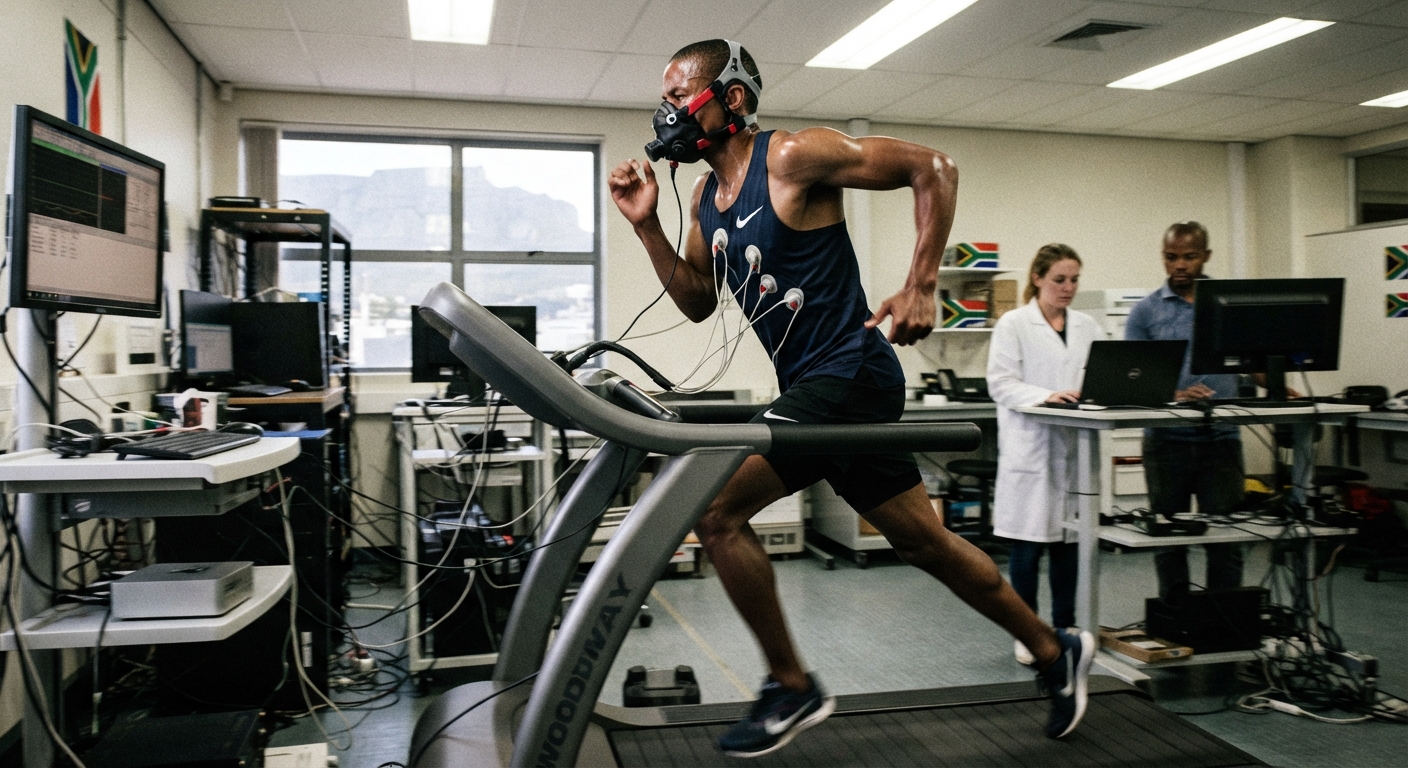
Forge Your Edge: Hypoxic Sprint Training Unlocks Next-Level Endurance
Discover how repeated-sprint training in hypoxia can elevate sprint endurance and performance. A game-changer for SA athletes, coaches & physios.
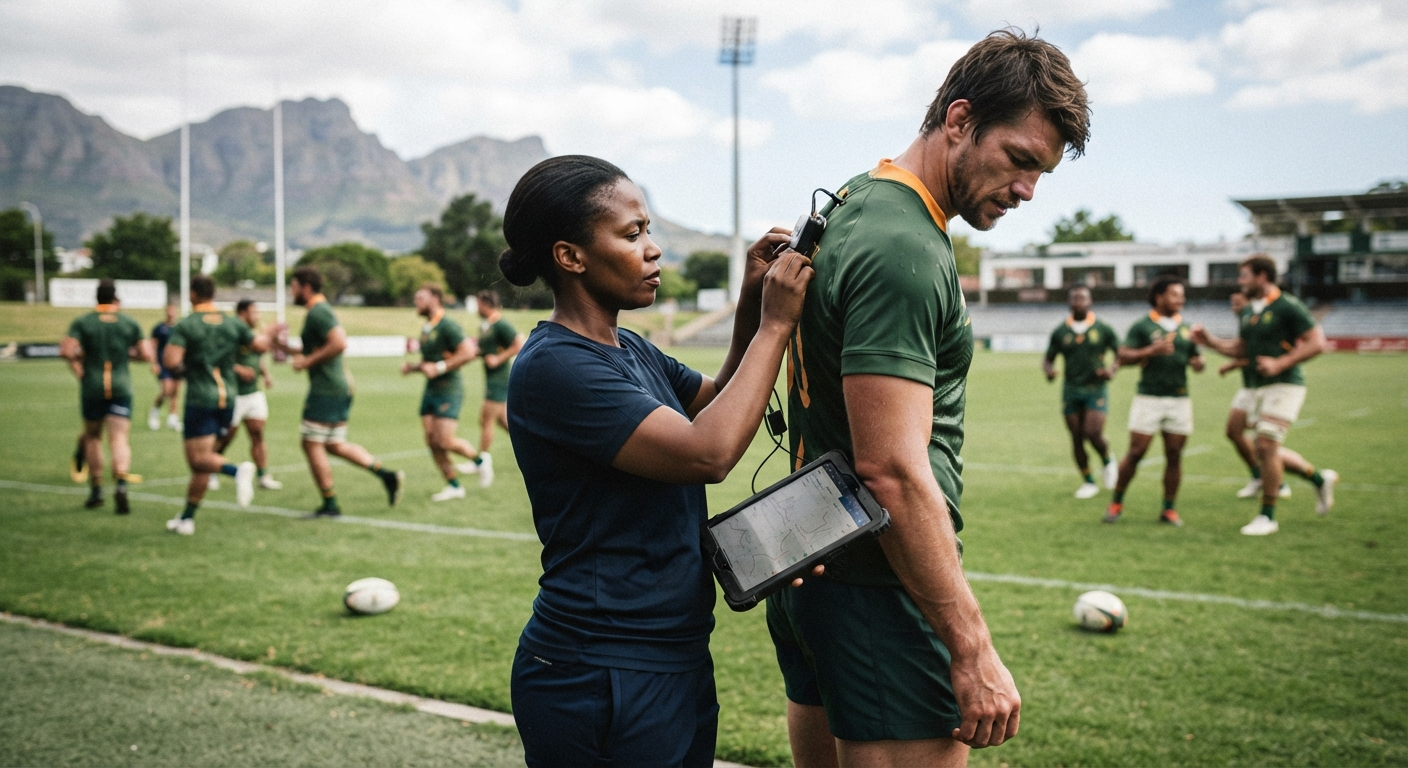
Igniting the Gees: The Science Behind Rugby's Visible Team Energy
Explore the science of visible team energy and its impact on performance in rugby. Learn how coaches cultivate cohesion and intent, and why it matters for…
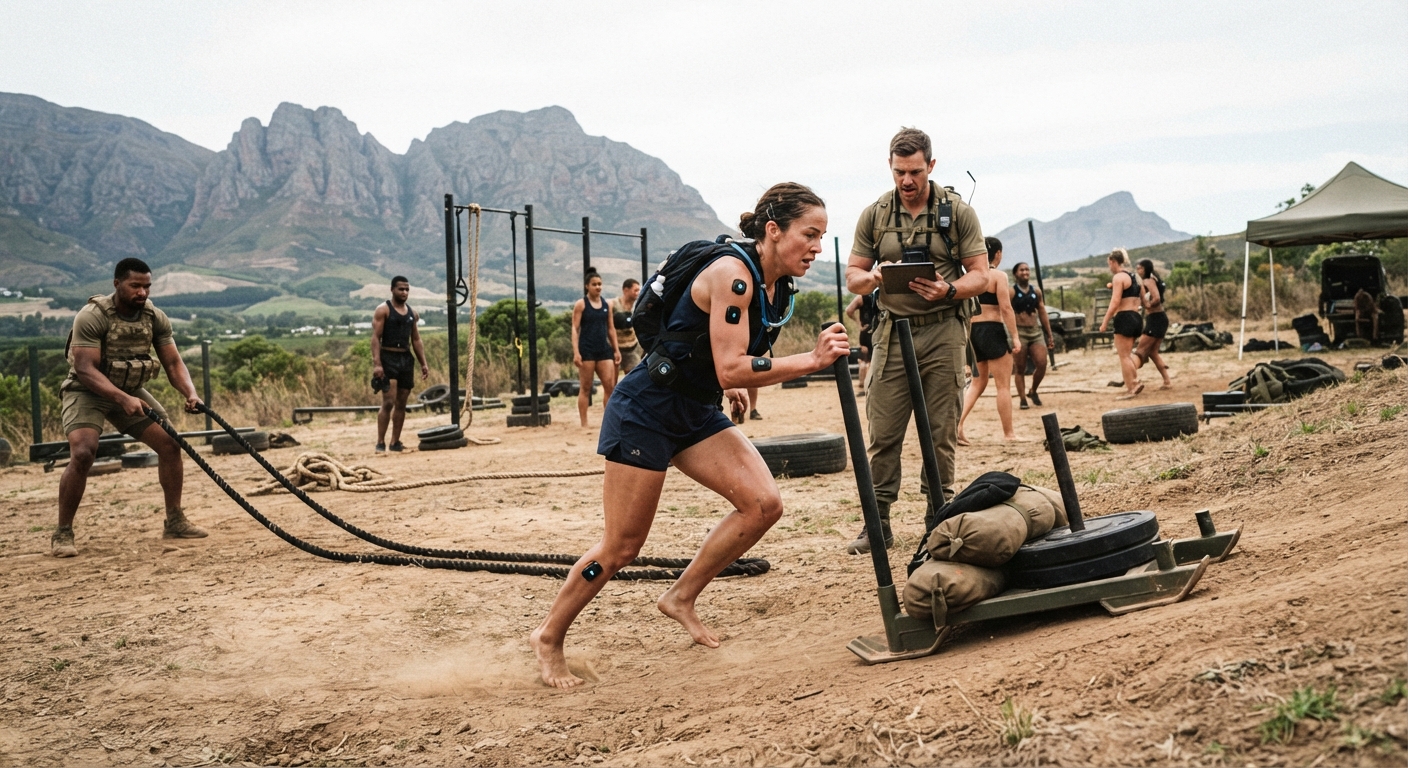
Rapid Readiness: Unlocking Elite Performance with Military-Inspired Conditioning
Explore the science behind military-grade fitness to supercharge strength and endurance in just 21 days. Insights for SA athletes, coaches, and physios.
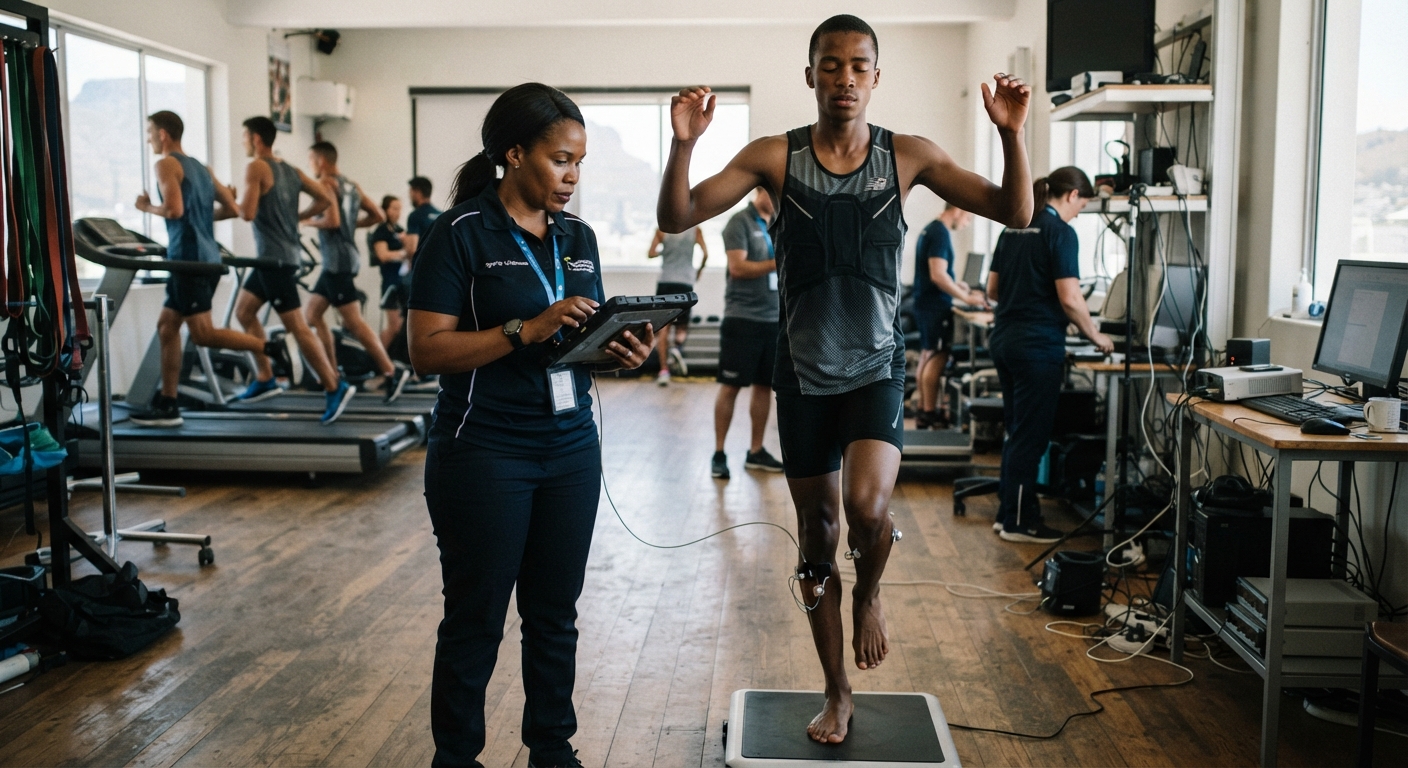
Core Truths: The Unsung Heroes of Elite Balance Aren't What You Think
New research reveals core endurance and trunk strength, not rotational power, are key to elite balance. Optimise your training for peak performance and injury…
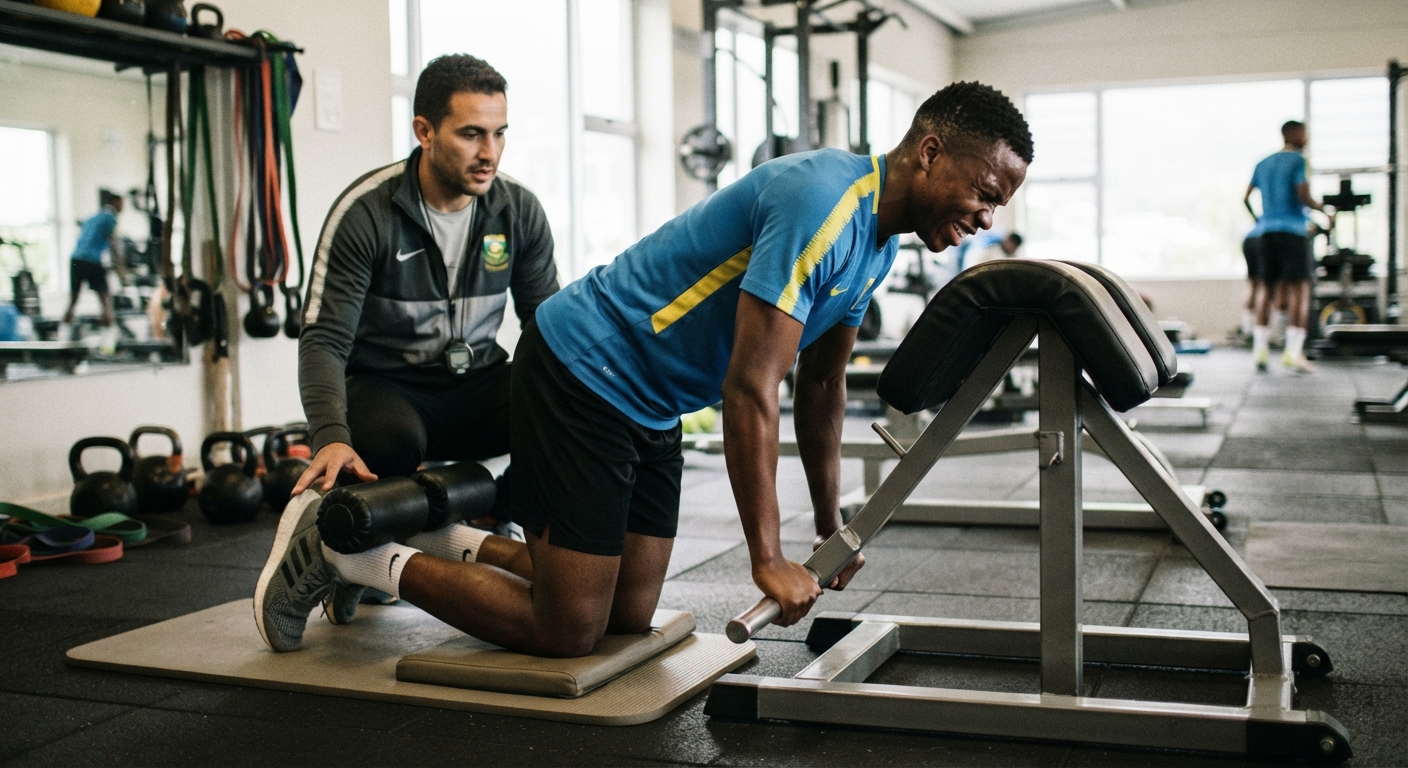
Game-Changer Exercises: Boosting Footballer Strength with Modified Razor Curls and Nordics
Uncover how modified razor curls and Nordic exercises boost football players' strength, power, and reduce injury risk. Essential insights for SA athletes…

Unleashing Dual Power: How Integrated Strength & Cardio Ignites SA Athlete Performance
Unlock peak athletic performance with hybrid strength and cardio training using dumbbells. Sports Science SA explores scientific insights for athletes, coaches