
Smart Training: HRV Halves Overtraining, Boosts SA Performance
New research confirms daily Heart Rate Variability (HRV) monitoring significantly reduces overtraining risks, empowering SA athletes & coaches to train smarter.
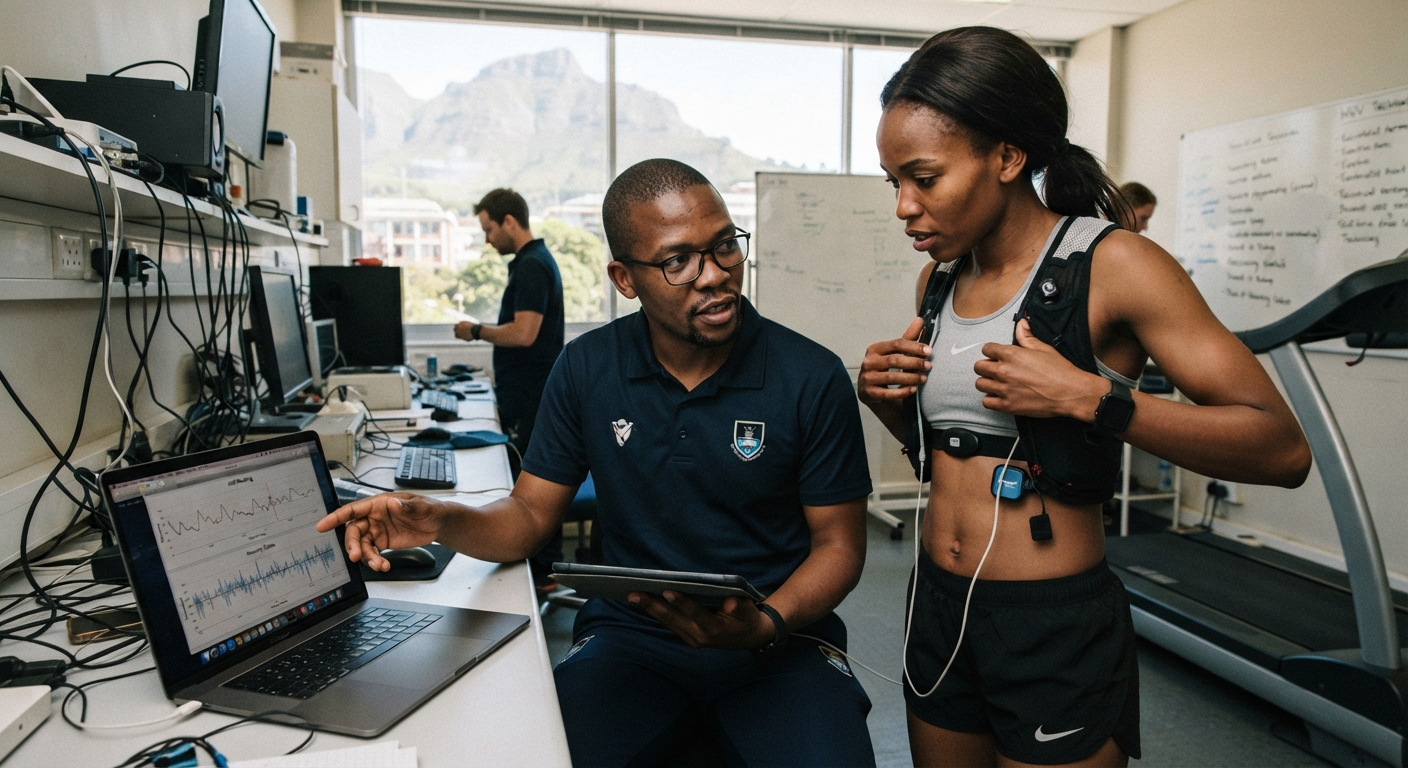
Overtraining – the silent saboteur of athletic ambition – has long plagued dedicated athletes, leading to plateaus, injuries, and burnout. But a recent breakthrough in endurance research offers a powerful antidote, confirming that consistent heart-rate variability (HRV) guidance can effectively halve overtraining rates, ushering in an era of smarter, more sustainable performance.
The Unseen Language of Your Body
Heart Rate Variability isn't just about how fast your heart beats; it's about the microscopic fluctuations in time between successive heartbeats. These subtle changes, governed by your autonomic nervous system, provide a profound window into your body's recovery status and readiness to perform. A higher HRV generally indicates a well-recovered, resilient system, while a consistently low HRV can signal stress, fatigue, or impending overtraining.The research, focusing on endurance athletes, demonstrated that individuals who integrated daily HRV monitoring into their training regimens experienced a dramatic reduction in overtraining syndrome compared to those relying solely on traditional periodisation or subjective feelings. This isn't just about avoiding burnout; it's about optimising every training session, ensuring that effort is matched with adequate recovery and adaptation.
Beyond the Burnout: Strategic Training
For years, athletes have pushed through fatigue, often mistaking exhaustion for progress. HRV data provides an objective, daily metric to guide training load. If your HRV dips significantly below your personal baseline, it's a clear signal to dial back intensity, prioritise active recovery, or even take a rest day. Conversely, a stable or elevated HRV indicates your body is primed for a harder session, allowing for targeted, effective training without the fear of detrimental overload.This data-driven approach moves beyond rigid training plans, embracing a dynamic model that adapts to an athlete's physiological state. Coaches can use this insight to tailor individual programs, preventing the cumulative stress that often leads to performance plateaus and injuries. It empowers athletes to listen to their bodies with scientific precision, fostering a more intuitive and sustainable relationship with their training.
The Local Angle
For South African athletes, coaches, and physios, this research holds particular significance. Our diverse sporting landscape, from elite rugby players and ultra-marathon runners tackling the Comrades, to cyclists conquering the Cape Epic, demands robust, intelligent training strategies. The high-performance environment is unforgiving, and the amateur scene often sees individuals pushing their limits with limited professional guidance.Implementing HRV monitoring offers a cost-effective, accessible tool to democratise elite-level recovery insights. It enables SA coaches to fine-tune programs for athletes facing unique environmental challenges (like altitude training or heat), helps physios understand recovery progression post-injury, and empowers serious amateurs to pursue their goals without succumbing to the dreaded overtraining slump. It's about building resilience and ensuring longevity in a demanding sporting culture.
Source: Performance Lab