
Beat the Heat: Next-Gen Marathon Training for SA's Searing Climates
Unlock peak marathon performance in South Africa's heat. Discover science-backed heat acclimation strategies for athletes, coaches & physios.
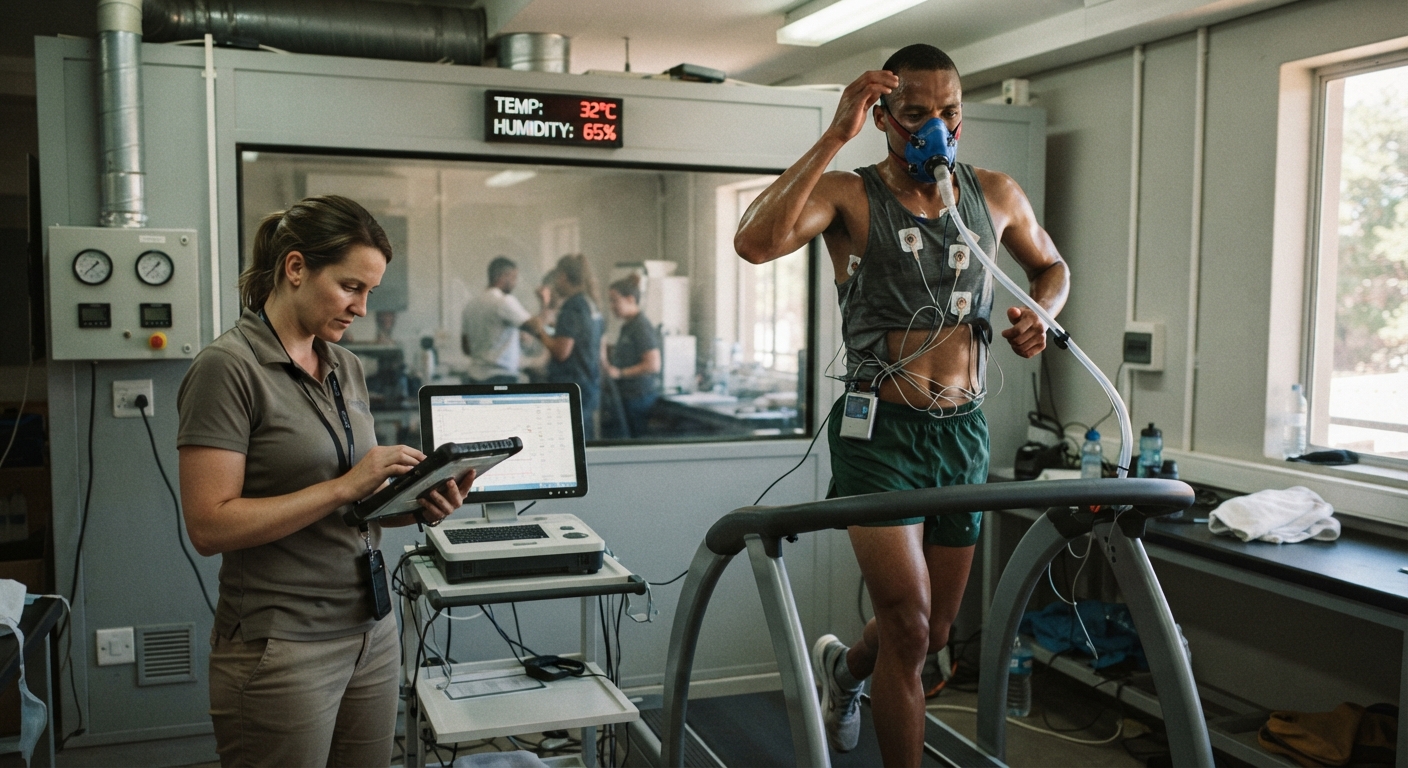
South Africa's vibrant athletics calendar often coincides with conditions that can push even the most seasoned marathoner to their physiological limits: heat. For decades, athletes simply endured, or tried to train during cooler parts of the day. But a groundbreaking shift in sports science is redefining how elite and amateur runners alike can not only cope, but thrive, in high temperatures. Heat acclimation, once a niche concept, is now at the forefront of performance enhancement for African long-distance running.
The Science Unpacked
Heat acclimation isn't just about "getting used to the heat"; it's a profound physiological adaptation. When the body is systematically exposed to controlled thermal stress, it initiates a cascade of beneficial changes. Key adaptations include an increased plasma volume, which enhances blood flow to the skin for cooling and reduces cardiovascular strain; a lower core body temperature during exercise; an improved sweat rate and a reduction in electrolyte loss; and enhanced glycogen utilisation. These combined effects translate directly into sustained power output, delayed fatigue, and a reduced risk of heat-related illness. Research shows these adaptations can significantly improve performance in both hot and temperate conditions, making it a powerful tool for any serious athlete.Practical Protocols for Performance
Implementing heat acclimation requires a structured approach, moving beyond haphazard hot weather training. Common protocols include daily heat exposure sessions lasting 45-90 minutes over 7-14 days. This can involve exercising in a heated environment (e.g., specific heat chambers, or carefully timed outdoor sessions), or passive methods like sauna use post-workout. The key is consistency and progressive overload, gradually increasing exposure and intensity. Hydration is paramount throughout this process, as is careful monitoring of core temperature and perceived exertion. Athletes often combine heat acclimation with existing training blocks, ensuring adequate recovery to prevent overtraining. Coaches and physios are increasingly integrating these evidence-based strategies into periodised training plans, viewing it as a critical pillar alongside strength and endurance work.The Local Angle
For South African athletes, coaches, and physios, understanding and applying heat acclimation science is not just an advantage – it's a necessity. From the unforgiving mid-day sun often encountered during the Comrades Marathon and Two Oceans Ultra, to the numerous road races held across diverse climatic zones, heat is a constant factor. Implementing structured heat acclimation can mean the difference between hitting a personal best and succumbing to fatigue or heat stroke. It empowers local athletes to compete more effectively against international rivals, many of whom train in cooler climates. For physios, understanding these adaptations can inform better rehabilitation protocols and injury prevention strategies, especially when returning athletes to sport in demanding conditions. Serious amateurs, too, can benefit immensely, ensuring safer, more enjoyable, and ultimately more successful race experiences. This science democratises peak performance, making it accessible to all who commit to smart training.The era of merely "toughing it out" in the heat is fading. With sophisticated heat acclimation protocols, South African marathoners are poised to redefine what's possible, transforming challenging conditions into a competitive edge.
Source: Endurance Wire